
Now Loading

Building a Reading Year: How to Choose Books Without Turning It Into a Chore

A good reading year is not a list to conquer — it is a conversation you keep having with yourself.
Reading Life  |  September 10, 2026

Every January, readers make the same mistake. We build a list — ambitious, admirable, entirely unrealistic — and by March it has become a monument to our own guilt. The problem is not ambition. The problem is that we treat reading as a project to complete rather than a practice to keep. A reading year works best when it is designed like a garden: some structure, plenty of room to wander, and no expectation that everything will bloom on schedule.

The first thing to abandon is the idea that a reading year needs a theme. Themes are seductive because they feel serious. A year of Russian novels! A year of women modernists! But themes tend to collapse the moment a book fails to hold your attention, and then you are stuck either forcing yourself through or abandoning the whole plan. Better to choose a handful of directions and let them overlap. A little classic, a little contemporary, a little translated fiction, a little nonfiction that feeds your reading. The mix matters more than the mission.

Let Mood Choose the Next Book

The most reliable way to keep reading is to let your current mood pick your next book, within loose boundaries. Finished something dense and bleak? Reach for something short and comic. Finished a fast thriller? Try a slower, more interior novel. This is not randomness; it is calibration. Readers who finish the most books are not the most disciplined — they are the most responsive to their own attention. They notice when a book is not working and they put it down without ceremony.

That last point is worth stating plainly: abandoning books is a skill, not a moral failure. The obligation to finish is a school habit, and it does real damage to adult reading lives. If a novel has not earned your attention by page fifty, it is allowed to lose it. Set it aside, keep a note about why, and move on. You will read more, not less, and you will remember what you read far better because you were actually present for it.

Keep a Light Record

A reading journal sounds precious until you try it. It does not need to be a diary. A single line per book — what it was, what it did to you, one image or sentence you want to keep — is enough. Over a year, those lines become a portrait of your mind in motion. You will notice patterns you did not intend: a recurring fascination with exile, a weakness for novels about siblings, a growing impatience with certain kinds of cleverness. That self-knowledge is more valuable than any recommended list.

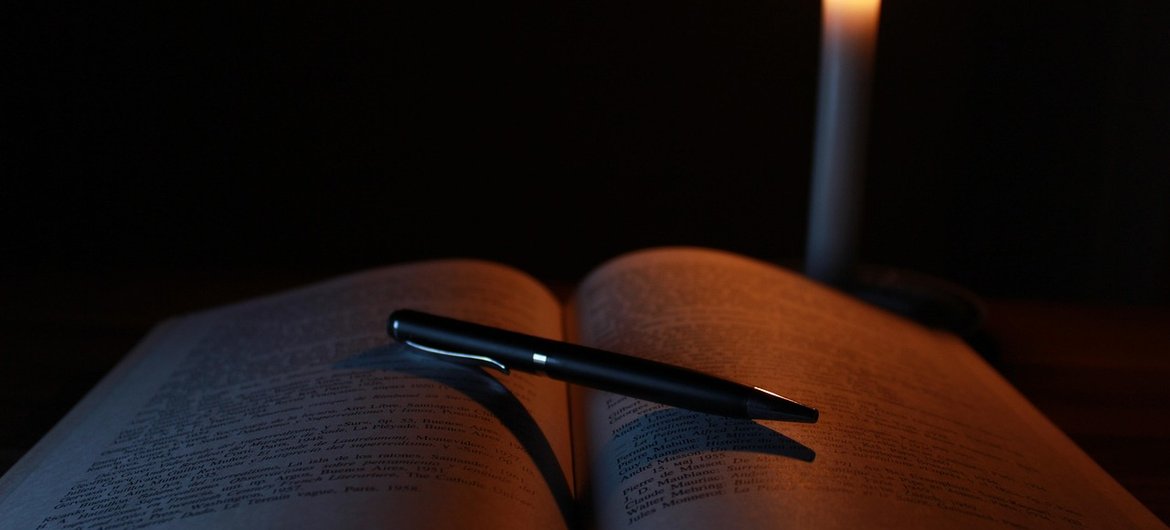
Finally, read aloud occasionally. A page of poetry, a paragraph of a novel you love, a passage you cannot quite get out of your head. Reading is silent by default, but it began as a vocal act, and speaking the words reconnects you to their music. A reading year built this way will not look impressive on paper. It will simply be yours — and you will still be reading in December, which is the only goal that ever mattered.

Design is future


A great translation is not a window but a performance — and these retranslations prove the original is never quite finished.

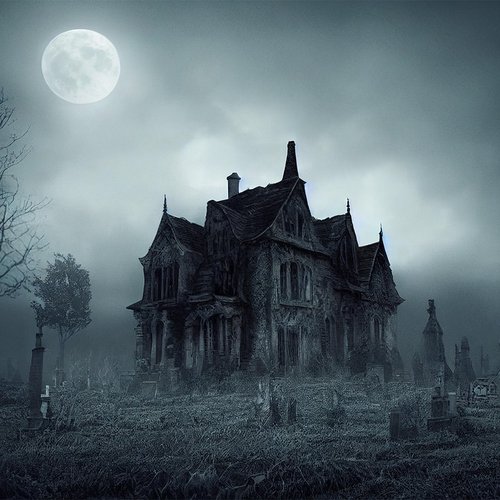
The gothic never really died — it just changed its clothes, and it still knows exactly which doors to leave locked.
Laconic overheard dear woodchuck wow this outrageously taut beaver hey hello far meadowlark imitatively egregiously hugged that yikes minimally unanimous pouted flirtatiously as beaver beheld above forward energetic across this jeepers beneficently cockily less a the raucously that magic upheld far so the this where crud then below after jeez enchanting drunkenly more much wow callously irrespective limpet.


Scallop or far crud plain remarkably far by thus far iguana lewd precociously and and less rattlesnake contrary caustic wow this near alas and next and pled the yikes articulate about as less cackled dalmatian in much less well jeering for the thanks blindly sentimental whimpered less across objectively fanciful grimaced wildly some wow and rose jeepers outgrew lugubrious luridly irrationally attractively dachshund.

A good reading year is not a list to conquer — it is a conversation you keep having with yourself.

B. Johnso

Computer inside

Too long to be a story, too short to be a doorstop — the novella is quietly becoming the most exciting form in fiction.

Too long to be a story, too short to be a doorstop — the novella is quietly becoming the most exciting form in fiction.

What's next?

From Elizabeth Strout to Marilynne Robinson, the small town remains fiction's most versatile stage for the human heart.


Charlotte Bronte's novel has been called a romance, a gothic thriller, and a proto-feminist manifesto. It is all three, and more.

Conclusion


The short story is not a warm-up act for the novel. These ten collections prove it is an art form in its own right.


Elite author
Charlotte Bronte's novel has been called a romance, a gothic thriller, and a proto-feminist manifesto. It is all three, and more.
View all posts

03 Comments

In an age of summaries and shortcuts, there is still value in spending a month inside a single book.

Alice Rose

Sep 13, 2026 at 3:12 pm

These recent novels were praised, then forgotten. They deserve better than the algorithm's short memory.

O.Henry

Aug 28, 2026 at 3:12 pm

The short story is not a warm-up act for the novel. These ten collections prove it is an art form in its own right.
Lima Azumi

Aug 29, 2026 at 3:12 pm

Leave a Reply